Why Design Build Leads to Better Remodel Outcomes
A successful design build remodel depends on more than just new finishes or updated materials. The best remodeling projects are built on thoughtful planning, collaboration, and a clear vision carried consistently from…

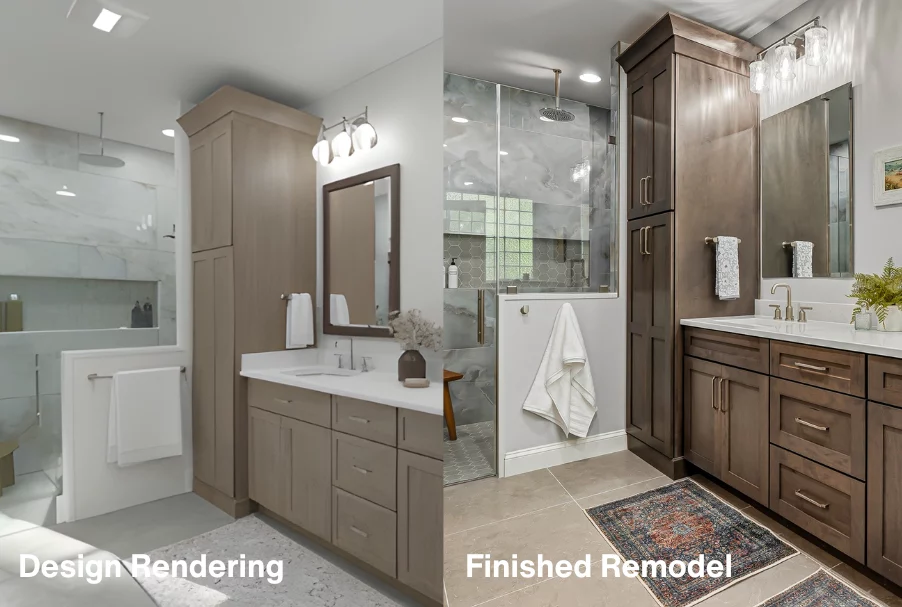
A successful design build remodel depends on more than just new finishes or updated materials. The best remodeling projects are built on thoughtful planning, collaboration, and a clear vision carried consistently from design through construction. That is one of the main reasons many homeowners are choosing the design build remodeling approach.

Why Design Build Leads to Better Remodel Outcomes
Rather than separating the design and construction process between different companies, design build remodeling brings both together. Designers, project managers, and construction professionals work collaboratively throughout the project, helping create remodels that feel more intentional.
For homeowners, this leads to a smoother experience and stronger long-term results.
Better Planning Creates Better Remodels
One of the biggest advantages of design build remodeling is the amount of planning that happens before construction begins. Instead of rushing into demolition or making decisions during construction, homeowners work through layouts, materials, storage solutions, and more early in the process.
This planning stage allows the design team to fully evaluate how the space should function while coordinating with the construction team to ensure those ideas can be executed properly.
In kitchen remodels, this may include evaluating workflow between appliances, improving storage solutions, or adjusting layouts to create better flow throughout the home. In bathroom remodels, it may involve refining proportions, improving lighting placement, or maximizing usable storage without overcrowding the room.
When details are carefully considered upfront, the finished remodel feels more refined.

Design Build Remodeling Reduces Mid-Project Changes
Many remodeling frustrations occur when important decisions are delayed until construction is already underway. Layout revisions, missing details, or unresolved selections can lead to project delays and added stress.
Design build remodeling places a strong emphasis on resolving decisions during the design phase. Floor plans, cabinet layouts, plumbing fixture selections, lighting plans, and material choices are finalized before construction begins.
This approach allows homeowners to make decisions thoughtfully rather than reactively.
Reducing mid-project changes also helps construction move more efficiently. Trade partners can work from clearly defined plans, materials are coordinated earlier, and the project team can focus on execution rather than constant redesign.
For homeowners, this creates a more organized and predictable remodeling experience.
More Cohesive Finished Spaces
One of the most noticeable advantages of design build remodeling is how cohesive the finished spaces feel. Because the same team guides the project from early planning through construction, the final result reflects the original design vision.
This cohesion can be seen in many ways throughout a remodel:
- Cabinetry aligned with appliances and lighting
- Flooring transitions planned between spaces
- Storage integrated into the overall design
- Materials and finishes selected to complement one another
- Architectural details carried throughout the home

Collaboration Improves Execution During Construction
Strong remodeling outcomes depend heavily on communication and coordination during construction.
When questions arise during construction, the team can often resolve them quickly because the people involved in the original planning process remain engaged. Designers can clarify details, project managers can coordinate adjustments, and trade partners can work from established documentation and expectations.
This collaboration helps preserve the integrity of the design while also supporting construction efficiency. It also allows homeowners to feel more informed throughout the process because communication remains centralized and organized.
Design Build Remodeling Supports Functionality
A well-designed remodel should improve how a home functions, not just how it looks. Design build remodeling places a strong focus on understanding how homeowners use their space each day, so the final design supports their routines and lifestyle.
In kitchens, this may involve creating better prep space, improving pantry organization, or incorporating storage features such as pull-out drawers, tray storage, or appliance garages.
In bathrooms, it may include improving circulation, expanding usable storage, or designing layouts that feel more open and comfortable.
Because functionality is considered alongside aesthetics from the beginning, the result feels more livable after construction is complete.
Design Build Works Especially Well for Complex Remodels
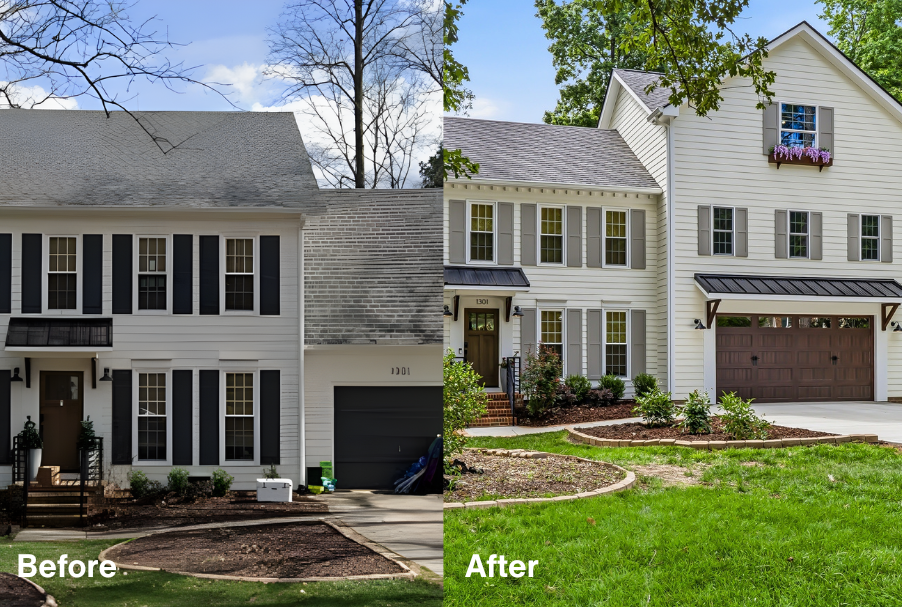
Design build remodeling can be especially valuable for projects involving structural modifications, additions, or large-scale renovations where many moving parts must work together.
Projects such as:
- Whole-home remodels
- Kitchen renovations with layout changes
- Home additions
- Basement finishing projects
- Attic conversions
- Multi-room renovations
Having one integrated team involved throughout the process helps maintain continuity while reducing confusion between multiple parties. This level of coordination becomes increasingly important as projects become more detailed and complex.

Why More Homeowners Are Choosing Design Build Remodeling
Homeowners today want remodels that feel intentional, organized, and tailored to the way they live.
Design build remodeling helps support those goals by combining thoughtful design, collaborative planning, and coordinated construction into one cohesive process. The result is a remodel that functions better, feels more unified, and creates a smoother experience throughout the project.
At Wake Remodeling, the design build approach allows our team to carefully plan each project while maintaining alignment from the earliest concepts through final construction. By bringing design and construction together, homeowners gain a clearer path toward spaces that are both beautiful and functional.

Home Remodeling an Older Home Without Losing Its Character
Older homes often have something that is difficult to recreate in a newer house. It may be the established neighborhood,…

Preparing Your Home for Fall: Remodeling Ideas from Wake Remodeling
As summer comes to an end, homeowners often begin thinking about how their home will function through the cooler months.…
What to Know Before You Finish Your Basement
A basement can offer some of the most flexible square footage in a home. Whether you need more room for…