Preparing Your Home for Fall: Remodeling Ideas from Wake Remodeling
As summer comes to an end, homeowners often begin thinking about how their home will function through the cooler months. While fall preparation can include routine maintenance and energy-efficiency improvements, it can…

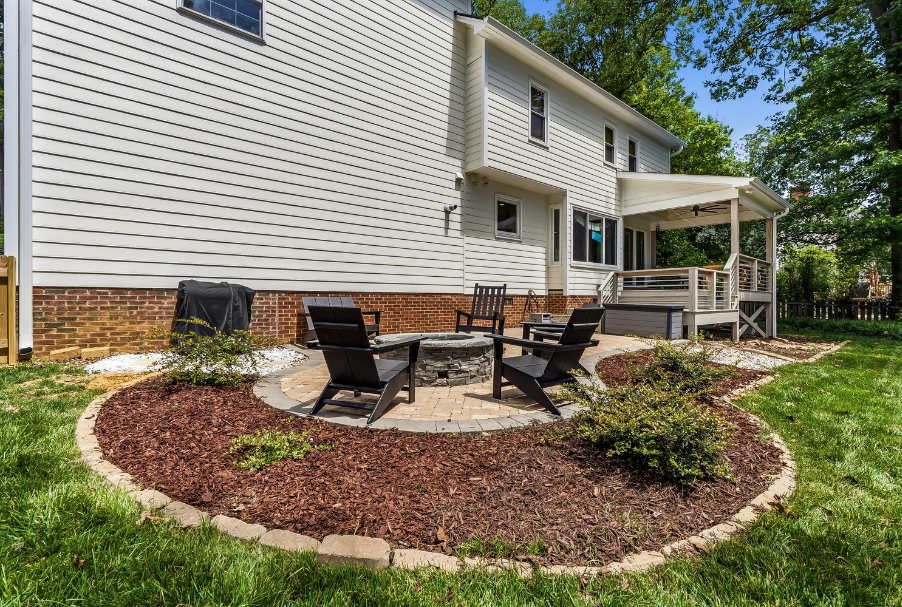
As summer comes to an end, homeowners often begin thinking about how their home will function through the cooler months. While fall preparation can include routine maintenance and energy-efficiency improvements, it can also be a good time to consider how your outdoor spaces are designed. A space that works well in July may need a few additional features to remain comfortable and useful when temperatures drop.
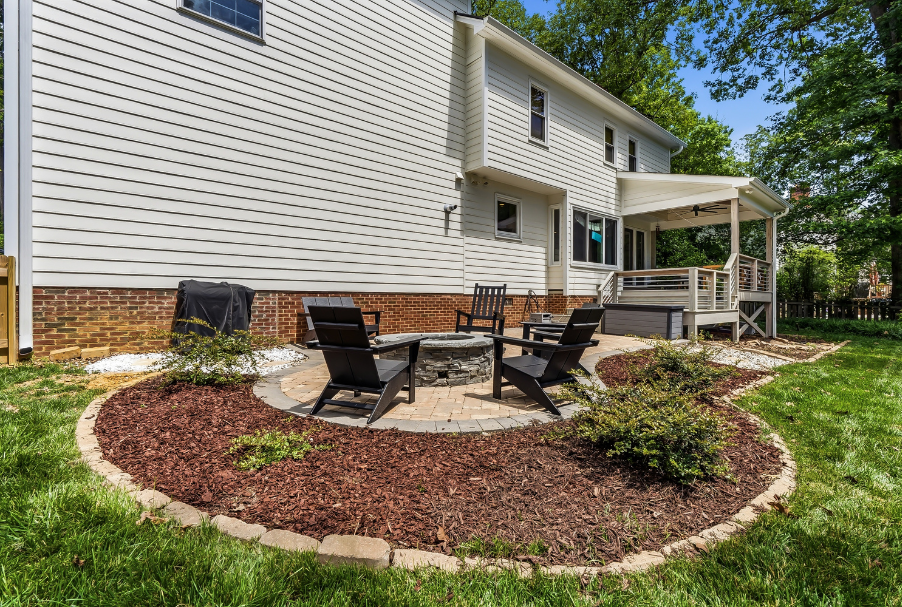
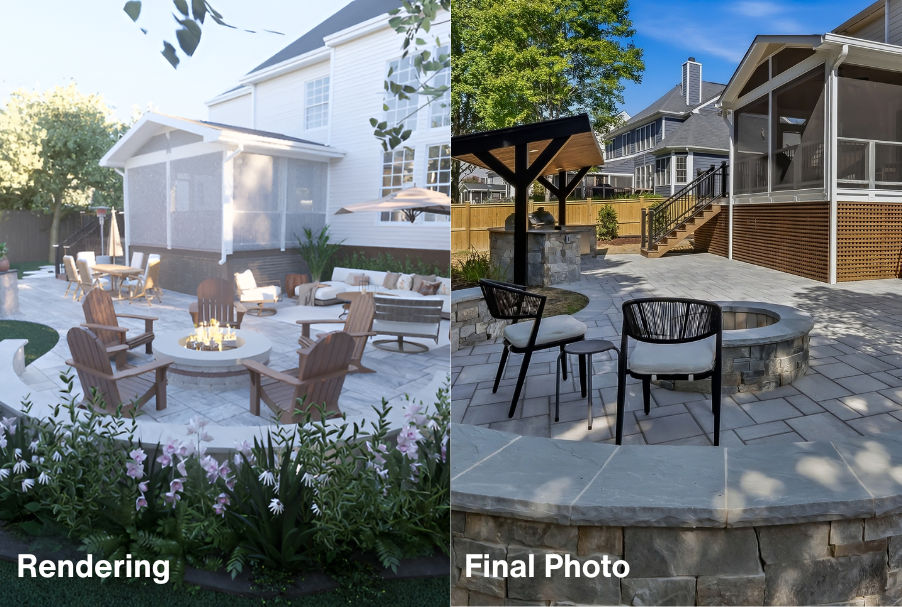
For homeowners considering a larger project, Wake Remodeling can be part of that conversation by helping evaluate how an outdoor area could be improved for year-round use. From adding a firepit to outdoor heaters, incorporating an outdoor kitchen, or adding overhead protection, the right changes depend on how you use the space and the conditions surrounding your home.
How Wake Remodeling Approaches Outdoor Living Spaces
Outdoor remodeling goes beyond adding new features to a deck or patio. The existing structure, location of the space, drainage, electrical access, rooflines, and relationship to the house all influence what can realistically be added.
For example, a covered porch may be a great location for ceiling-mounted heaters or an outdoor-rated television, while an uncovered patio may require a different approach. Similarly, adding a roof over an existing deck can change how water moves around the house and may require structural modifications.
Before deciding on individual features, it is useful to consider the overall purpose of the space. Is it primarily for dining, entertainment, or quiet evenings outside? This answer can help determine which improvements are worth incorporating.
Adding a Fireplace or Outdoor Heating
One of the most effective ways to make an outdoor space more comfortable in cooler weather is to introduce a source of heat. An outdoor fireplace can serve both a practical and architectural purpose. Depending on the design, it can become a focal point for seating while providing warmth during evenings when temperatures begin to drop. Gas fireplaces and fire features can also offer a simpler alternative where appropriate.
Outdoor heaters are another great option; ceiling-mounted or wall-mounted heaters can be useful in covered spaces where homeowners want warmth without dedicating as much space to a permanent fireplace.
A heating element should be planned around seating, circulation, ventilation and the construction of the surrounding space. Local building requirements and manufacturer specifications also need to be considered before installation.
The Importance of Outdoor Lighting in the Fall
As daylight hours become shorter, outdoor lighting can make a significant difference in how an outdoor living area functions. Considering lighting options that serve different purposes may be a better option than relying on one bright fixture.
- Task lighting may illuminate an outdoor kitchen or dining area.
- Step and pathway lighting can improve visibility around stairs and walkways.
- Softer accent lighting highlights architectural details, landscaping, or a fireplace.
For an existing outdoor space, adding electrical components may require opening walls, ceilings, or other finished surfaces. Including lighting during a large Wake Remodeling project can make it easier to coordinate wiring and fixture placement.
Considering an Outdoor Kitchen for More Than Summer
An outdoor kitchen does not have to be limited to warm-weather entertaining. With the right layout and features, it will remain useful well into the fall.
Depending on the available space, an outdoor kitchen might include a grill, refrigerator, sink, storage, countertop workspace, or other appliances. Weather-resistant cabinetry and appropriate countertop materials are important because outdoor conditions differ significantly from those inside the home.
The placement of the kitchen also deserves careful consideration. Ideally, it should be convenient for both the outdoor dining area and the house.
If you already have an outdoor kitchen, fall can be a good time to evaluate whether the space has enough lighting, storage, weather protection, and comfortable seating to remain useful as temperatures change.
Keeping Leaves and Acorns Out During the Season
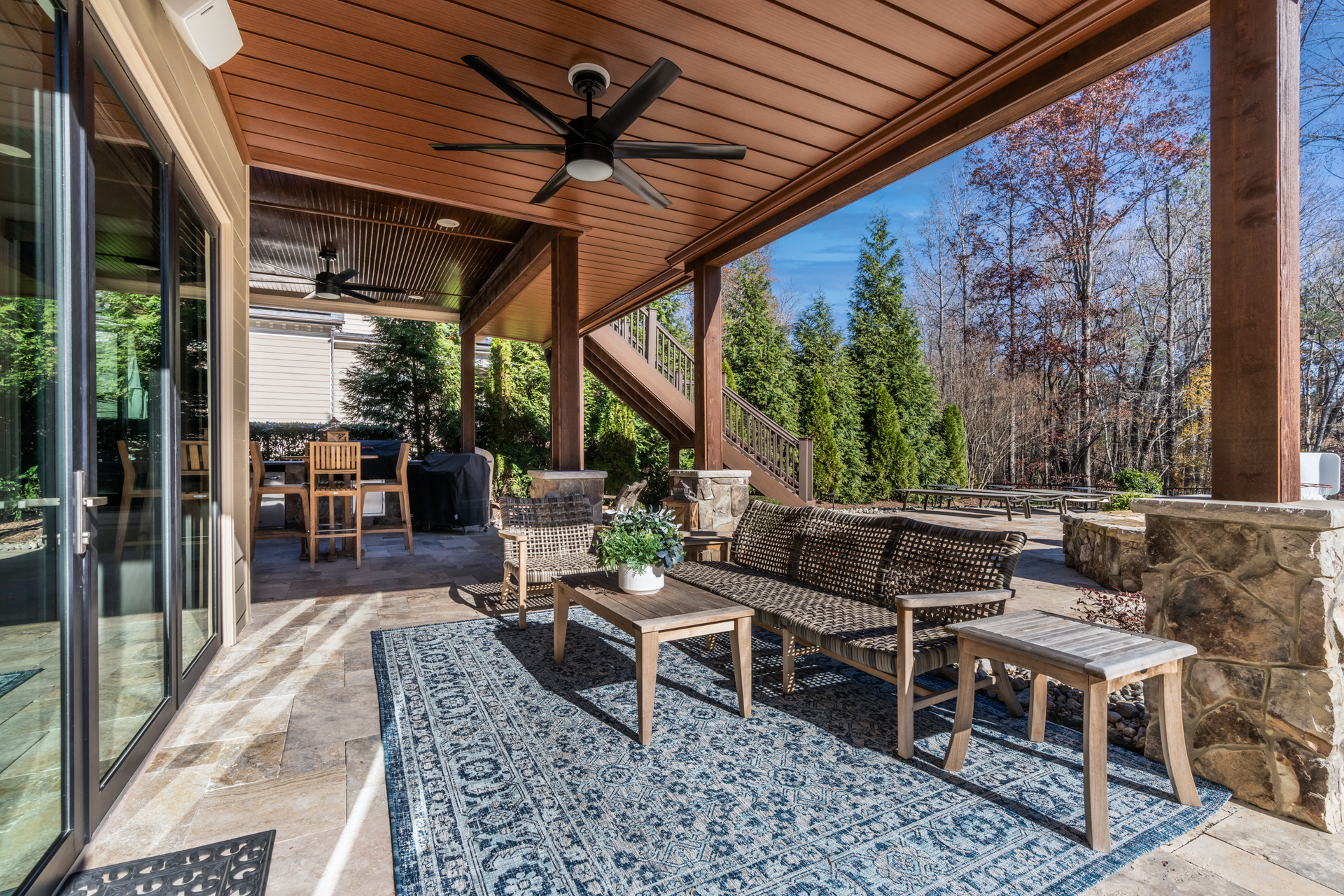
For homeowners in the Triangle, cooler weather also brings falling leaves, pine needles, and acorns. If your porch or outdoor seating area sits beneath mature trees, keeping the space clean can become a regular chore.
Adding a roof or covered structure can provide some protection from falling debris, although it will not eliminate the problem completely. The design can also affect how much debris collects on the roof itself and how water is directed away from the house.
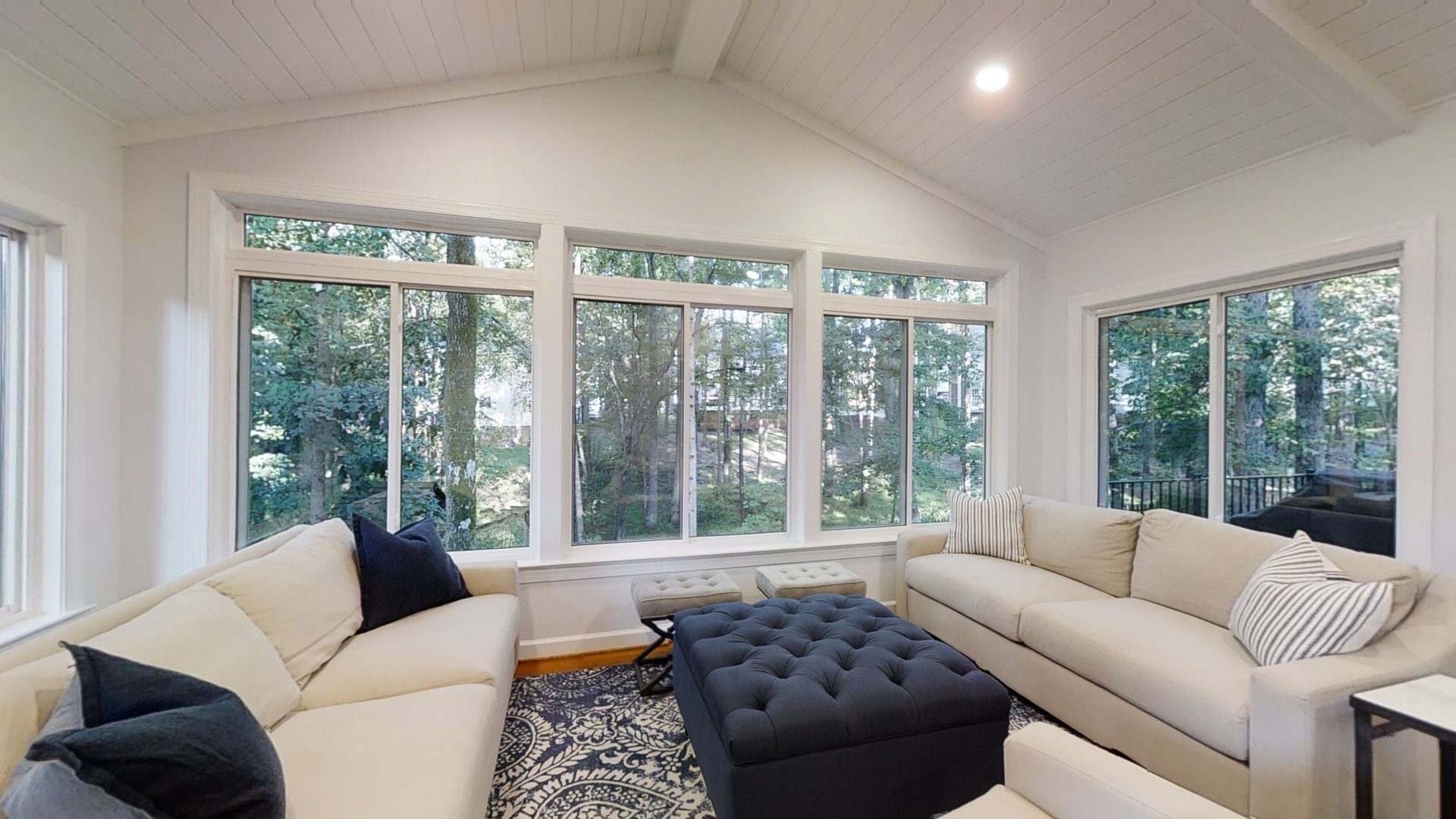
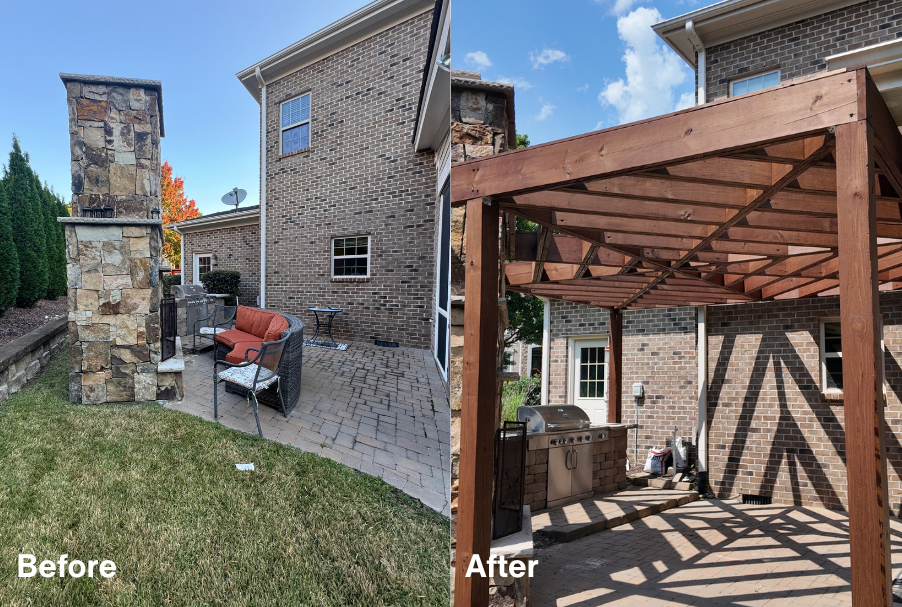
Depending on the existing structure, Wake Remodeling suggests options such as existing an existing roofline, adding a covered porch, or modifying an existing outdoor area. A screened enclosure may provide another layer of protection while still allowing natural ventilation.
Creating Outdoor Comfort Beyond Heating
Heating is only one part of making an outdoor space comfortable during the fall. Wind, rain, lighting, seating, and protection from insects can all affect whether the space gets used.
- A covered porch may provide protection from light rain and help define an outdoor room.
- Screens can offer protection from insects while maintaining airflow.
- Outdoor-rated fabrics, cushions, and furnishings can make a seating area more inviting and durable.
The goal is not to make an outdoor space feel exactly like an interior room. Although it is important to keep it cohesive, the design should respond to the conditions of the site and make the space more practical and comfortable for all seasons.
When Should You Start Planning an Outdoor Remodeling Project?
Fall itself can be a reminder that an outdoor space may function differently throughout the year. However, larger remodeling projects generally require more planning than seasonal maintenance.
If you are considering a covered porch, outdoor kitchen, fireplace, structural deck changes, or other substantial improvements, it is worth starting the design conversation before you want the space completed. Site conditions, structural requirements, material selections, permitting, and contractor scheduling can all affect the timeline.
Planning ahead also gives homeowners time to determine which improvements are genuinely useful rather than adding features simply because they are available. This also allows Wake Remodeling the opportunity to discuss and take into consideration all the homeowners’ wants and needs during the design-build process.
Preparing Your Outdoor Space for the Cooler Season
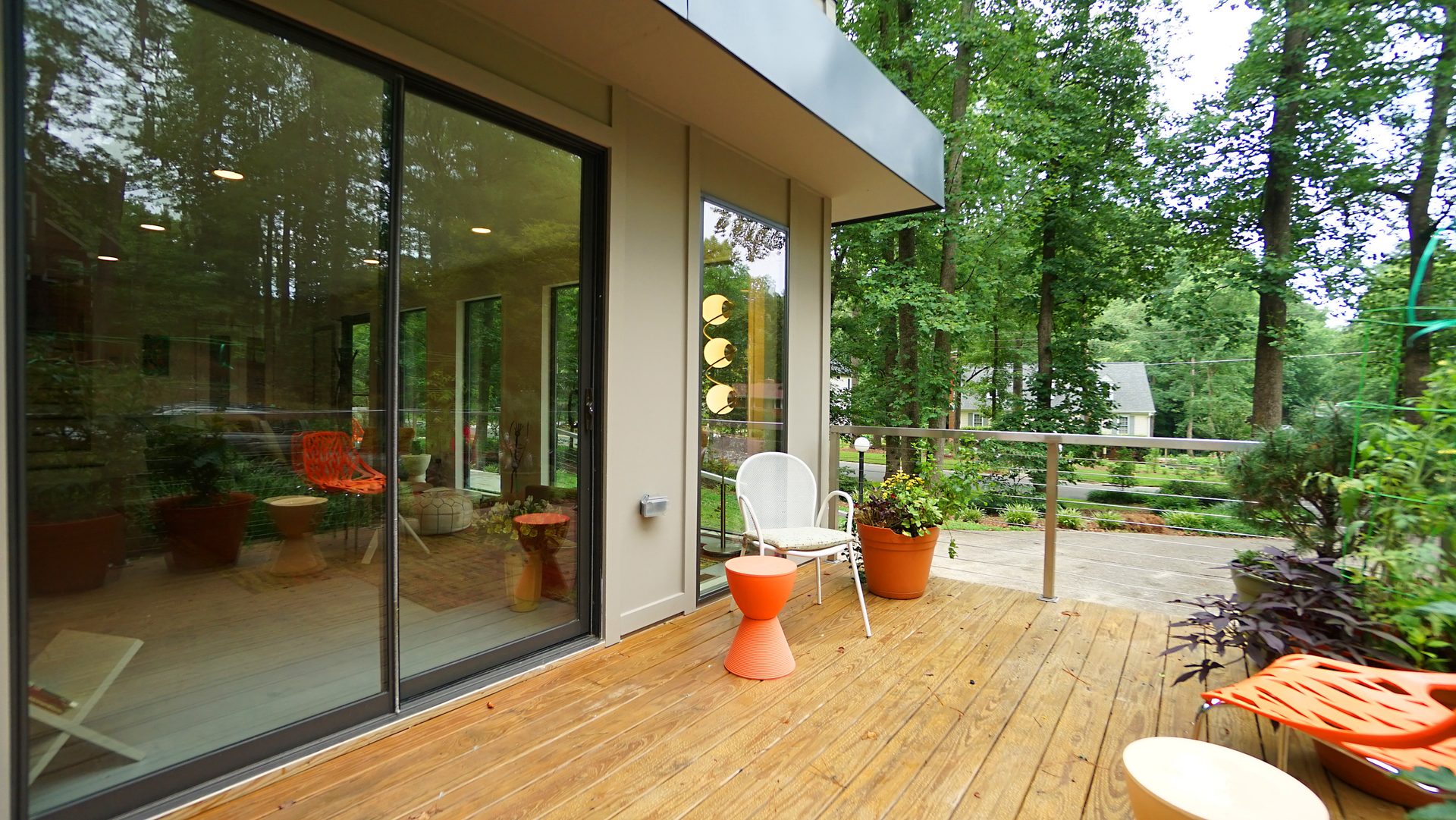
Preparing for fall does not necessarily mean putting your outdoor spaces away until spring. With the right design and material, an outdoor area can continue to be useful as temperatures fall and daylight hours become shorter.
For some homes, that may mean adding a fireplace or outdoor heater. For others, better lighting, an outdoor kitchen, a covered roof or additional protection from any elements may make the biggest difference. The best solution depends on the existing home, the site, and how your family uses the space.
For homeowners in Apex, Cary, and surrounding Wake County communities considering an outdoor remodeling project, Wake Remodeling offers experience designing and building residential spaces throughout the area.

What to Know Before You Finish Your Basement
A basement can offer some of the most flexible square footage in a home. Whether you need more room for…

Apex Kitchen Remodeling: How to Plan Your Dream Kitchen
The kitchen is commonly the most-used room in the home. Because of its central role, remodeling an Apex kitchen is…

Kitchen and Bathroom Cabinet Guide: Styles, Finishes, and Storage
When planning a kitchen remodel or bathroom remodel, cabinetry is one of the most important design decisions you'll make. Cabinets…